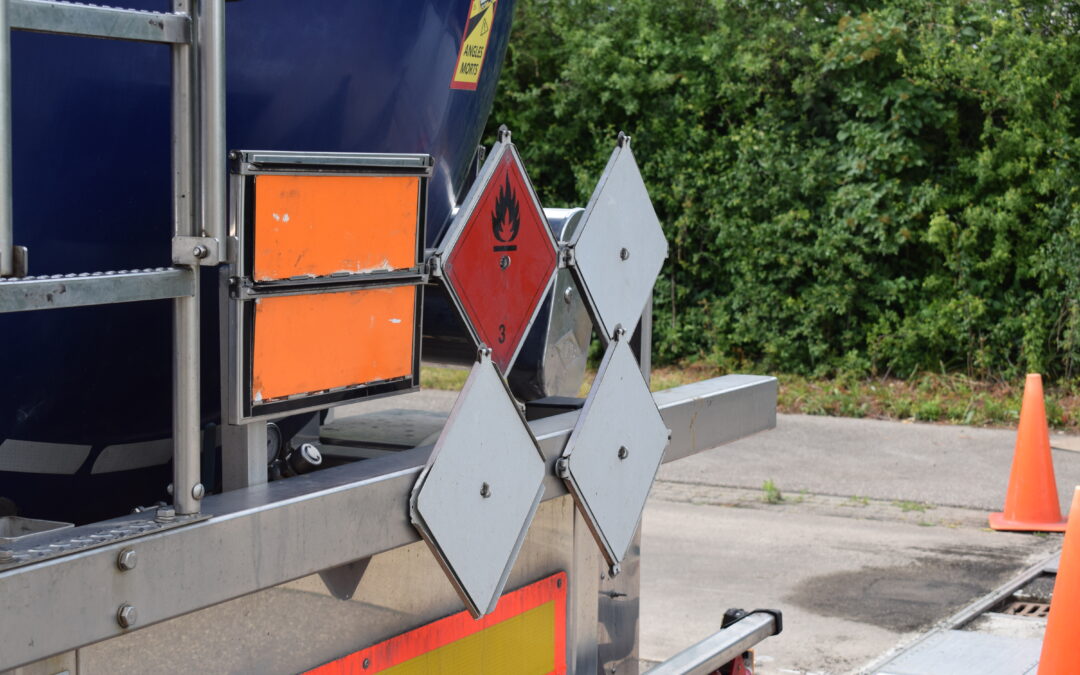
The transportation of dangerous goods by road is a highly regulated field, governed by the European Agreement concerning the International Carriage of Dangerous Goods by Road (ADR). A critical figure in ensuring compliance and safety in this sector is the ADR Safety Advisor. This professional plays an essential role in helping companies adhere to strict regulations, mitigate risks, and protect both people and the environment. In this article, we explore the responsibilities of an ADR Safety Advisor, the certification process, the challenging nature of the exam, and the importance of thorough preparation, including recommended resources like the practice question book available at yoursafetystore.eu.
Who is an ADR Safety Advisor?
An ADR Safety Advisor is a certified expert responsible for ensuring that companies involved in the transport, handling, or storage of dangerous goods comply with ADR regulations. These regulations apply to a wide range of activities, including packing, loading, transporting, and unloading hazardous materials such as chemicals, flammable liquids, or radioactive substances. The advisor acts as the company’s go-to specialist, providing guidance on safety protocols, legal requirements, and risk management.
Key responsibilities of an ADR Safety Advisor include:
  • Monitoring Compliance: Ensuring that all operations involving dangerous goods meet ADR standards.
  • Risk Assessment: Identifying potential hazards and advising on measures to minimize risks.
  • Training and Awareness: Educating staff about safe handling practices and regulatory requirements.
  • Incident Reporting: Investigating and reporting any accidents or non-compliance issues to the relevant authorities.
  • Documentation: Ensuring proper labeling, packaging, and documentation for dangerous goods.
The role demands a deep understanding of chemical properties, transport logistics, and legal frameworks, making it both challenging and rewarding.


Certification and Renewal Every Five Years

To become an ADR Safety Advisor, candidates must pass a rigorous examination administered by an accredited body, such as the CBR/CCV in the Netherlands or other national authorities in ADR-signatory countries. Upon passing, they receive a DGSA (Dangerous Goods Safety Advisor) certificate, which is valid for five years and recognized across all ADR contracting countries.

However, maintaining this certification requires ongoing commitment. Every five years, advisors must renew their certification by passing a renewal exam. This ensures that they stay up to date with the latest regulations, as ADR rules are revised regularly to reflect changes in technology, safety standards, and international agreements. The renewal process is critical, as outdated knowledge could lead to non-compliance, posing significant risks to safety and incurring legal penalties.


The Exam: A Tough but Fair Challenge

The ADR Safety Advisor exam is known for its difficulty, testing candidates’ knowledge across a broad spectrum of topics. These include:
  • Classification and chemical properties of dangerous goods.
  • Packaging, labeling, and documentation requirements.
  • Loading, unloading, and transport regulations.
  • Emergency procedures and incident management.

The exam typically consists of multiple-choice questions, case studies, and open-ended questions, requiring both theoretical knowledge and practical application. A minimum score of 70% is needed to pass, and candidates must demonstrate proficiency in both the core ADR regulations and any specialized modules (e.g., rail transport under RID).

The complexity of the material and the high pass threshold make the exam a formidable challenge, even for experienced professionals. Many candidates find the case studies particularly demanding, as they require applying regulations to real-world scenarios. For this reason, thorough preparation is not just recommended—it’s essential.


The Importance of Practice

Success in the ADR Safety Advisor exam hinges on consistent study and practice. Candidates should familiarize themselves with the ADR manual (the latest edition, such as ADR 2025) and work through practice questions to build confidence and identify knowledge gaps. Practicing with realistic exam questions helps candidates understand the format, refine their time management, and master the application of regulations in complex scenarios.

One highly recommended resource is the
practice question book for ADR Safety Advisors available at yoursafetystore.eu. This book contains a comprehensive set of exercises designed to mirror the exam’s structure and difficulty, covering key topics like classification, packaging, and emergency procedures. By working through these questions, candidates can simulate the exam experience and improve their chances of passing on the first attempt. The book is an invaluable tool for both initial and renewal exams, offering targeted practice that aligns with the latest ADR standards.


A Note on ADR Driver Training

While the ADR Safety Advisor focuses on regulatory compliance and oversight, drivers transporting dangerous goods also require specialized training and certification. The ADR Driver Training Certificate, valid for five years, is obtained after completing a course (e.g., 3-5 days for initial training or 1.5-2 days for refreshers) and passing multiple-choice exams. Like the Safety Advisor exam, the driver exam requires diligent preparation, as it covers topics such as handling hazardous materials, emergency response, and vehicle safety.


For ADR drivers, a similar practice resource is available: the ADR driver exam practice question book, also offered by yoursafetystore.eu. This book provides hundreds of sample questions and mock exams, helping drivers prepare effectively for their initial or refresher exams. With a pass mark of around 66-70% (depending on the module), practicing with this resource is a proven way to boost performance and ensure certification.

SafetyNet Europe your safety advisor
Privacy Overview

This website uses cookies so that we can provide you with the best user experience possible. Cookie information is stored in your browser and performs functions such as recognising you when you return to our website and helping our team to understand which sections of the website you find most interesting and useful.