
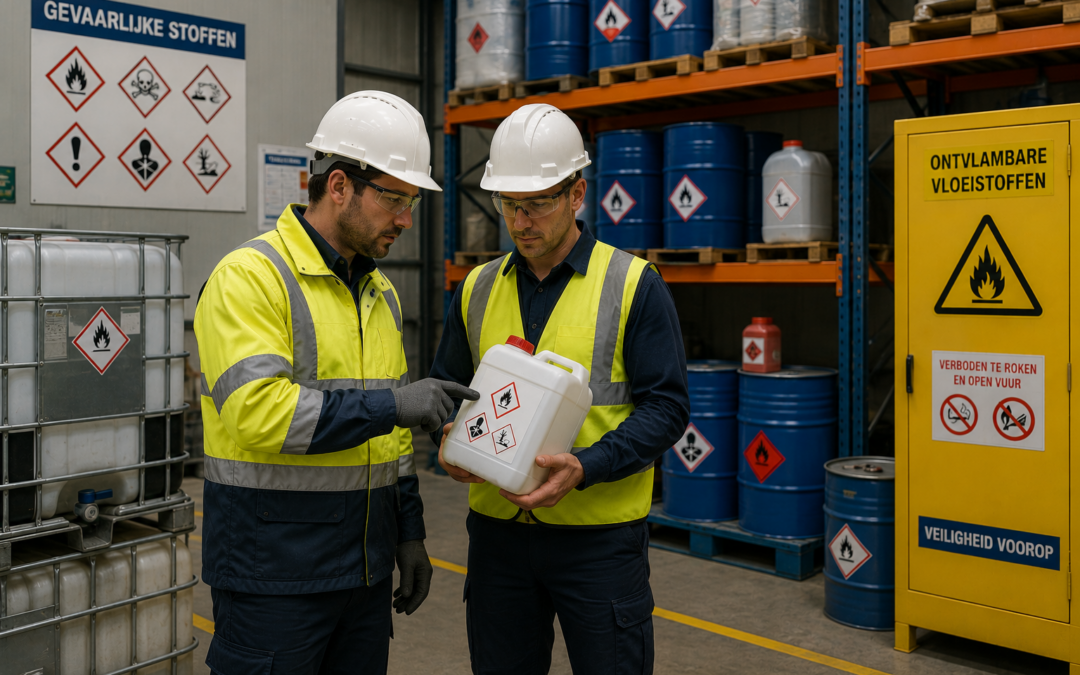
The Hazardous Goods Certification Exam is a crucial step for professionals working with hazardous materials. This certification ensures that individuals are knowledgeable about the safe handling, transportation, and disposal of dangerous goods. It’s not just a piece of paper; it’s a testament to your understanding of regulations and safety protocols that protect both people and the environment. The exam typically covers a range of topics, including classification, labeling, packaging, and emergency response procedures.
To pass the exam, you’ll need to grasp both theoretical concepts and practical applications. This means understanding the various types of hazardous materials, their properties, and the specific regulations governing their transport. Familiarity with the relevant legislation, such as the Hazardous Materials Transportation Act (HMTA) and the International Air Transport Association (IATA) regulations, is also essential. Knowing what to expect from the exam can help you focus your study efforts effectively.
To effectively prepare for hazardous goods certification exams, it is essential to understand the various regulations and best practices involved in the transportation of dangerous goods. A related article that provides valuable insights and resources on this topic can be found at SafetyNet Europe. This resource offers guidance on compliance, training, and safety measures, which are crucial for anyone looking to excel in their certification process.
Researching and Selecting the Right Certification Program
Choosing the right certification program is a critical first step in your preparation journey. There are several organizations that offer hazardous goods certification, each with its own curriculum and focus areas. Start by researching these programs to find one that aligns with your career goals and industry requirements. Look for programs that are recognized by employers and have a good reputation in the field.
Consider factors such as course content, duration, cost, and delivery method. Some programs may offer online courses, while others might require in-person attendance. Additionally, check if they provide study materials or resources to help you prepare for the exam. Reading reviews or testimonials from past participants can also give you insight into the effectiveness of the program.
Organizing Your Study Materials and Resources
Once you’ve selected a certification program, it’s time to gather your study materials. This could include textbooks, online resources, and any supplementary materials provided by your chosen program. Organizing these resources in a way that makes them easily accessible will save you time and reduce frustration as you study.
Consider creating a dedicated study space where you can keep all your materials together. This space should be free from distractions and conducive to learning. You might also want to create a digital folder on your computer or cloud storage for any online resources or notes. Having everything organized will help you stay focused and make your study sessions more productive.
Creating a Study Schedule and Setting Realistic Goals
A well-structured study schedule is essential for effective preparation. Start by determining how much time you have before the exam date and break that time down into manageable study blocks. Aim to cover all topics systematically, allowing for review periods as well. Setting specific goals for each study session can help keep you motivated and on track.
Be realistic about your goals; it’s better to set achievable targets than to overwhelm yourself with an unrealistic plan. For instance, instead of aiming to cover an entire chapter in one sitting, break it down into smaller sections. This approach not only makes studying less daunting but also enhances retention of information.
If you’re looking to enhance your knowledge before taking the hazardous goods certification exams, you might find it helpful to explore additional resources. One such article that provides valuable insights is available at this link, which discusses essential tips and strategies for effective preparation. By reviewing this material, you can gain a better understanding of the requirements and best practices necessary to succeed in your certification journey.
Utilizing Practice Exams and Sample Questions
| Exam Preparation Tips | Details |
|---|---|
| Understand the Exam Content | Review the exam outline and understand the topics covered. |
| Study Materials | Use official study guides, textbooks, and online resources. |
| Practice Questions | Complete practice exams to familiarize yourself with the format. |
| Review Regulations | Understand relevant regulations and guidelines for hazardous goods. |
| Time Management | Plan your study schedule and allocate time for each topic. |
| Seek Help | Consult with experienced professionals or instructors for guidance. |
One of the most effective ways to prepare for the Hazardous Goods Certification Exam is by taking practice exams and working through sample questions. These resources can help familiarize you with the exam format and types of questions you might encounter. They also provide an opportunity to assess your knowledge and identify areas where you may need further review.
When using practice exams, try to simulate real exam conditions by timing yourself and minimizing distractions. After completing a practice test, review your answers thoroughly to understand any mistakes you made. This reflection will reinforce your learning and help you avoid similar errors on the actual exam.
Understanding the Exam Format and Structure
Check out the latest courses at SafetyNet Academy for all your safety training needs.
Before sitting for the exam, it’s important to understand its format and structure. Most certification exams consist of multiple-choice questions, but some may include true/false or short answer questions as well. Knowing how many questions there are and how much time you’ll have can help you manage your time effectively during the test.
Familiarize yourself with any specific rules or guidelines related to the exam, such as what materials you can bring or whether there are penalties for guessing answers. Understanding these details can reduce surprises on exam day and allow you to focus on demonstrating your knowledge.
Developing Effective Study Techniques and Strategies
Different study techniques work for different people, so it’s important to find what works best for you. Some individuals benefit from visual aids like charts or diagrams, while others may prefer auditory methods such as listening to lectures or discussions. Experiment with various techniques until you find a combination that helps you retain information effectively.
Active learning strategies can also enhance your study sessions. Instead of passively reading through materials, try summarizing information in your own words or teaching concepts to someone else. Engaging with the material in this way can deepen your understanding and make it easier to recall information during the exam.
Seeking Support and Guidance from Industry Professionals
Don’t hesitate to reach out for support as you prepare for the certification exam. Connecting with industry professionals who have already obtained their certification can provide valuable insights and tips. They may share their experiences, recommend study resources, or even offer mentorship as you navigate your preparation.
Consider joining online forums or local study groups where you can discuss topics related to hazardous goods certification with peers. Engaging in discussions can clarify doubts and expose you to different perspectives on challenging concepts.
Managing Exam Stress and Anxiety
Feeling anxious before an important exam is completely normal, but managing that stress is crucial for optimal performance. Develop relaxation techniques that work for you, whether it’s deep breathing exercises, meditation, or physical activity. Incorporating these practices into your routine can help calm your mind and improve focus.
Additionally, ensure that you’re taking care of your physical health during this period. Getting enough sleep, eating well, and staying hydrated can significantly impact your mood and cognitive function. Remember that taking breaks during study sessions is just as important as studying itself; it allows your brain to recharge.
Reviewing and Revising Key Concepts and Topics
As the exam date approaches, it’s essential to review key concepts and topics thoroughly. Focus on areas where you feel less confident or have struggled during your studies. Creating summary notes or flashcards can be an effective way to condense information into bite-sized pieces that are easier to memorize.
Consider scheduling dedicated review sessions in your study plan leading up to the exam. During these sessions, revisit important regulations, safety protocols, and classification systems related to hazardous goods. This focused revision will reinforce your knowledge and boost your confidence as you prepare for test day.
Final Exam Day Preparation and Tips for Success
On the day of the exam, preparation is key to ensuring a smooth experience. Start by getting a good night’s sleep before the test; being well-rested will help you think clearly during the exam. Have all necessary materials ready—this includes identification, any allowed resources, and writing instruments.
Arrive at the exam location early to give yourself time to settle in and reduce any last-minute stress. Take a few moments to breathe deeply before starting; this can help center your thoughts and calm any nerves. During the exam, read each question carefully before answering, and manage your time wisely so that you can complete all questions without rushing.
In conclusion, preparing for the Hazardous Goods Certification Exam requires careful planning, effective study techniques, and a proactive approach to managing stress. By understanding the exam structure, selecting the right program, organizing your materials, and seeking support when needed, you’ll be well-equipped to tackle this important certification successfully. Good luck!
FAQs
What is a hazardous goods certification exam?
A hazardous goods certification exam is a test that assesses an individual’s knowledge and understanding of the regulations and procedures for handling, transporting, and managing hazardous goods.
Why is it important to prepare for hazardous goods certification exams?
Preparing for hazardous goods certification exams is important because it ensures that individuals have the necessary knowledge and skills to safely handle hazardous materials, reducing the risk of accidents, injuries, and environmental damage.
What topics are typically covered in hazardous goods certification exams?
Hazardous goods certification exams typically cover topics such as classification of hazardous materials, packaging and labeling requirements, transportation regulations, emergency response procedures, and regulatory compliance.
How can I prepare for hazardous goods certification exams?
To prepare for hazardous goods certification exams, individuals can take training courses, study relevant regulations and guidelines, practice with sample exam questions, and seek guidance from experienced professionals in the field.
What are the benefits of obtaining hazardous goods certification?
Obtaining hazardous goods certification demonstrates a commitment to safety and compliance, enhances job opportunities and career advancement, and helps organizations meet regulatory requirements for handling hazardous materials.